Science Is Our Best Bet
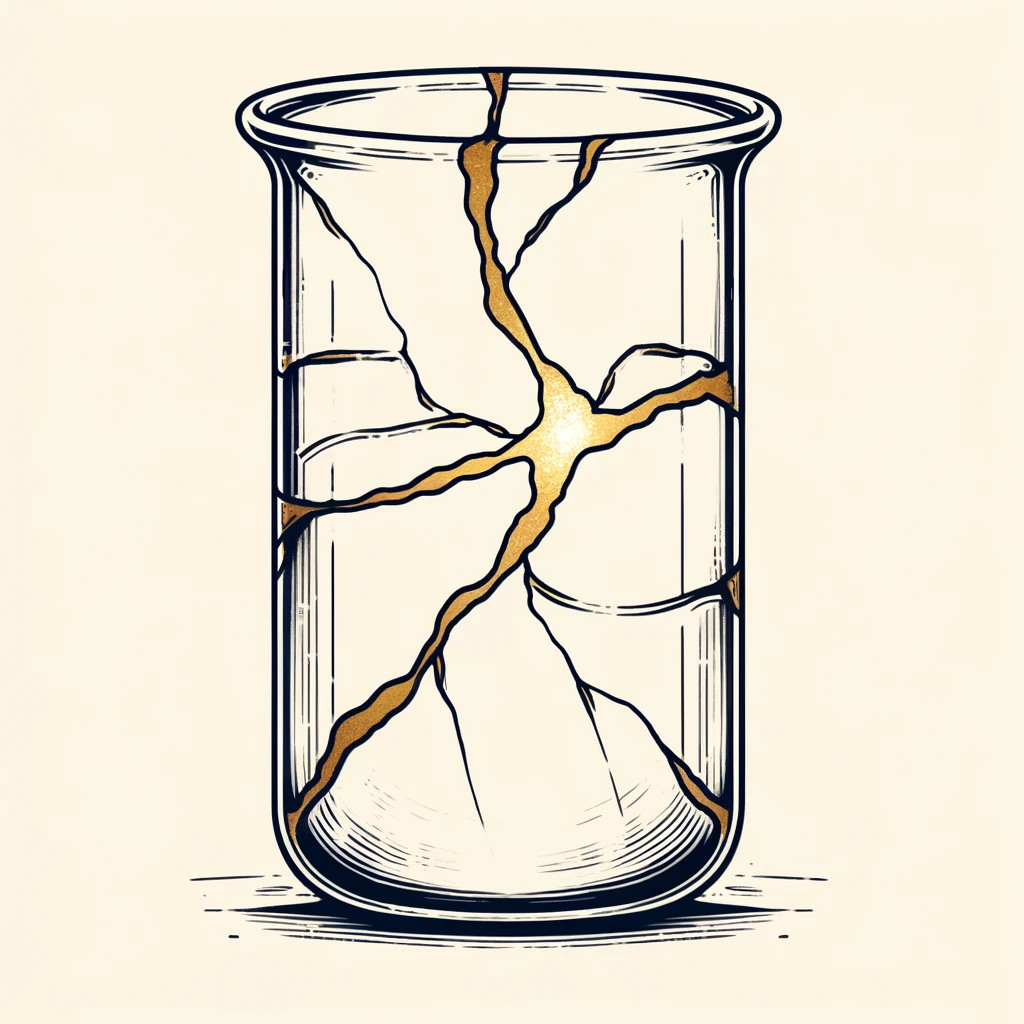
In the intricate dance of understanding our universe, science takes center stage, offering a lens through which we can interpret the cosmos with a clarity untainted by the human mind’s innate biases and subjective whims. It is our lighthouse in the fog of existence, our compass in the unknown wilderness. Yet, while science is a formidable tool of enlightenment, it is not impervious to the shadows of imperfection. It is, after all, a creation of humankind and bears the indelible fingerprints of our flaws, aspirations, and the sociopolitical contexts in which we operate.
Pursuing knowledge is not a sterile journey conducted in the vacuum of pure objectivity; it unfolds within the tangled web of human institutions, each with its agenda, pulse, and, crucially, its own inherent systemic flaws. Science, in its ideal form, transcends the individual. Still, it is alarmingly susceptible to the distortions imposed by the prevailing winds of societal norms, political influences, and institutional pressures.
As guardians of this profound human endeavor, we must shoulder the responsibility of its stewardship with a renewed sense of gravity. It necessitates an unwavering commitment to introspection and recalibration, acknowledging that science does not exist in isolation. It reflects our collective psyche, vulnerable to the same forces that ripple through our civilizations.
Elevating science is not merely a matter of refining theories or accruing data; it is a holistic crusade to safeguard its integrity from the subtle erosion inflicted by external incentives and internal ethical lapses. The quest to harness its full explanatory power to articulate the complexities of our reality demands rigor, transparency, and a relentless dedication to ethical congruity.
Thus, we invoke a multidimensional challenge when we speak of advancing science. It compels us to peer into its very soul and confront the unsettling echoes of our own humanity mirrored back at us. From the institutionalized chase for accolades to the individual moral quandaries navigated in the silent hours of research, our resolve fortified by a shared ambition: to continuously elevate science as our most esteemed vessel of truth, navigating the delicate balance between its potential for monumental revelation and the humbling acknowledgment of its, and our own, intrinsic limitations.
The issues highlighted in Mother Jones’s article “Why are so many studies being retracted, and how can we fix it?” within academic research, fraudulent practices, data manipulation, and the compelling pressure of the “publish or perish” culture, are indeed deeply troubling and warrant serious, immediate attention. It’s particularly disheartening that the institutions and individuals meant to uphold scientific research’s integrity sometimes falter under systemic and professional pressures. Implementing stringent data transparency measures, like mandatory publication of raw data, and modifying academic reward structures to value quality and ethical research practices over mere publication records might pave the way towards rectifying these discrepancies. Also, a shift towards embracing and publishing failures or “null” results can indeed be a game-changer, as it adheres to the true spirit of scientific exploration and progress. Furthermore, establishing independent oversight bodies that ensure compliance with ethical guidelines could safeguard research integrity, facilitating a more authentic and constructive scientific environment. What are your thoughts?
From my side, Addressing the problem of retractions and fraudulent practices in scientific publications necessitates a multi-pronged approach that deals with both surface-level symptoms and deep-rooted systemic issues.
Practical Steps:
Transparency and Data Accessibility:
Mandate the publication of raw data and methodology to allow for peer verification and replication studies.
Improved Peer Review:
Enhance the peer-review process by incorporating diverse expertise and potentially implementing anonymous reviews to minimize bias.
Whistleblower Protection and Incentives:
Establish robust systems to protect whistleblowers.
Possibly, create a reward system for those who identify and report fraudulent practices, akin to “bug bounties” in the tech industry.
Rigorous Audit Systems:
Employ independent bodies to perform random audits of published research to ensure authenticity and compliance with ethical guidelines.
Retraction and Correction Protocols:
Develop clear, standardized protocols for retracting or correcting published research, ensuring it is transparent and prompt.
Training and Education:
Implement training programs focusing on research ethics, data management, and scientific integrity for researchers at all career stages.
Promoting Negative Results:
Develop platforms or journal sections that publish scientifically sound studies with negative or null results.
Underlying Systemic Issues:
Publish or Perish Culture:
The pressure to publish frequently and in high-impact journals to secure funding, promotions, and academic standing can lead researchers to cut corners or engage in dubious practices.
Lack of Consequence:
Often, when fraudulent practices are uncovered, the consequences are not significantly detrimental, thus not providing a strong deterrent.
Funding Dynamics:
Funding often leans towards “positive” or “ground-breaking” results, which can inadvertently push researchers to produce compelling narratives, sometimes at the cost of authenticity.
Bias Towards Positive Results:
Journals are generally more inclined to publish studies with positive findings, leading to a file-drawer problem where negative or null studies seldom make it into the public domain.
Academic Structure and Hierarchies:
Hierarchical structures in academia can potentially suppress younger researchers who may fear retribution if they challenge unethical practices within their labs or institutions.
Time Pressure:
Fast-paced academic environments and the race to be the first to publish findings might compromise thorough verification processes.
Addressing the systemic issues might require a re-evaluation and transformation of the academic reward and recognition system and a shift towards valuing collaborative, transparent, and ethically conducted research over competitively driven, high-output research practices. Establishing mechanisms to ensure unbiased funding allocation and prioritizing scientific integrity might pave the way toward a more authentic and reliable scientific community. This multi-faceted problem needs a concerted effort from academic institutions, journals, funding bodies, and researchers to forge a path toward sustainable, ethical, and reliable scientific practices.
We should all be alarmed. The escalating surge of retractions and malpractices within scientific publications has reached an alarming pinnacle, casting a menacing shadow over the credibility and integrity of global scientific endeavors. This is not merely a dilemma; it is a crisis, an affliction that gradually erodes the very bedrock of trust and authenticity upon which the scientific community relies. If left unaddressed, the unabated trajectory of these unethical practices threatens to dissolve the public’s faith in scientific discovery and innovation, a foundation which, once shattered, is arduous to rebuild.
In an era intricately intertwined with science and technology, where significant global challenges like climate change and pandemics are battled not just in labs and conferences but in the hearts and minds of every global citizen, the fidelity of scientific research is not negotiable.
The stark revelations of manipulated data, fraudulent publications, and the clandestine burying of negative results reflect individual failings and a systemic rot that demands immediate, unyielding intervention.
My desire is to see an era of unabated ethical practice in science, securing a future where research propels us toward truth, discovery, and unbridled progress. The urgency is now, and it is unequivocal. And that’s the kicker: we CAN’T just stand by, watching this scientific house of cards wobble. The world has real problems, and we’re here playing whack-a-mole with research fraud!? No, sir! It’s time to roll up our sleeves, dive into the mess, and pull out the plug that’s been letting these ethical drains whirlpool around.
We need real answers, reliable data, and investors, politicians, and publishers who care about truth and progress. Not tomorrow, not in the distant future, where we zoom around in flying cars, but NOW.
Otherwise, this merry-go-round of deceit will keep spinning, and we’ll all be here, scratching our heads, wondering where the honest scientists went.
I would love to hear your thoughts,